Car valuation in South Africa: check the history before the price.
A valuation assumes the car is what the advert says. Check the car's history first: the full report (R149) shows records abroad, mileage, damage records where available, theft and recalls.
900M+ Vehicles in database
R149 Full report
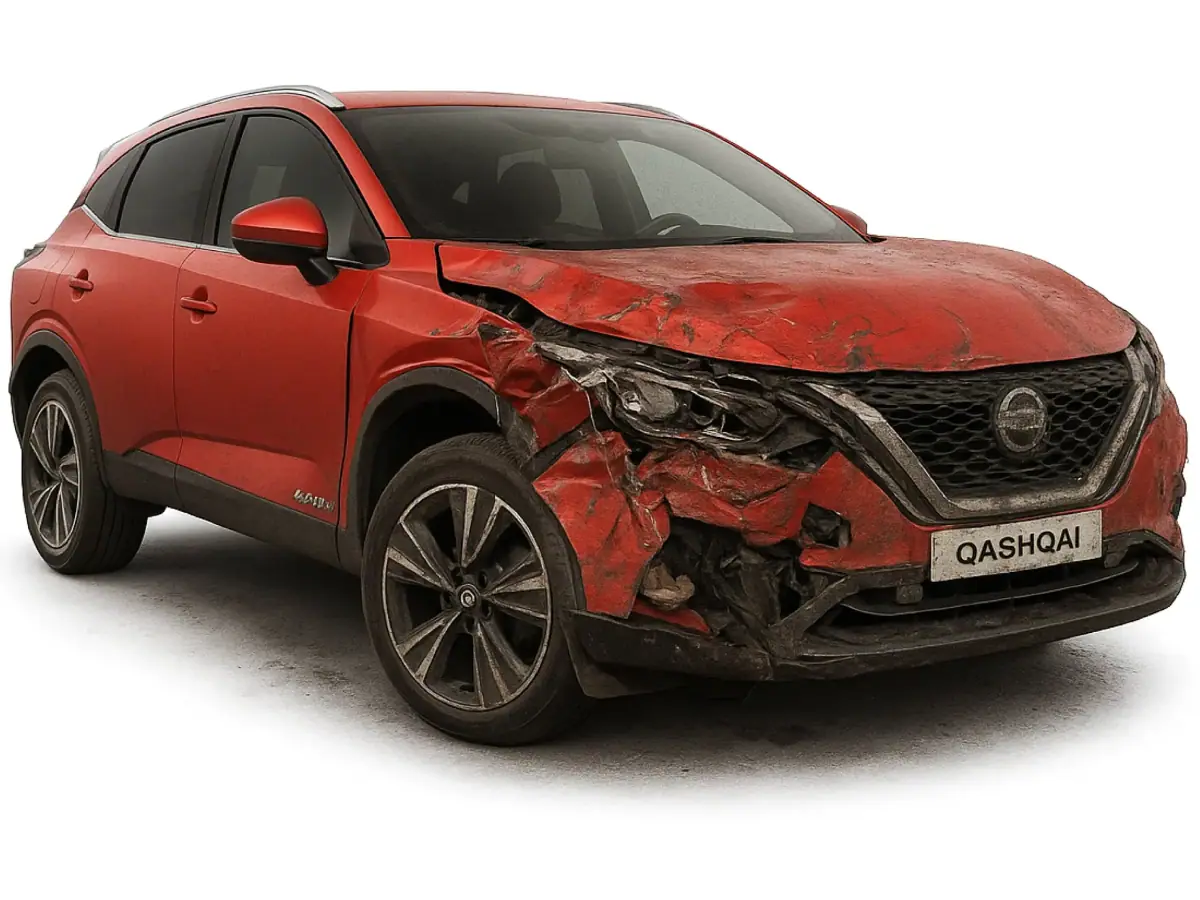
A car valuation in South Africa gives a trade and a retail figure for a make, model, year and mileage. It assumes the car is what the advert says. Damage, a wound-back dashboard, a Code 3 status or a grey-import past all change what a car is worth. Carlytics does not sell rand valuations; it decodes the VIN for free and, in the full report (R149), shows the record that moves the price, where available.
Where a valuation in rand comes from
Three sources, from free to paid.
| Source | What it gives | Cost |
|---|---|---|
| Comparable adverts | Asking prices for the same model, year, engine and similar mileage | Free |
| AA AutoFacts Validation Report | Retail, trade and cost estimate values, plus the last five retail sales | R20 (aa.co.za, 22 October 2026) |
| FirstCheck reports | Market value in its Essential Check; trade and retail estimates, ranges and comparable sales in its valuation report | Reports from R79 (firstcheck.co.za, 22 October 2026) |
Using adverts well
Compare like with like: the same model, engine, gearbox and body, a year either side, and mileage within a sensible band. Asking prices are not selling prices, so expect to settle below the middle of the adverts you find. Ignore the outliers at both ends; a price far below the rest usually has a reason.
What the car's history does to its value
A valuation guide prices an average car. These are the things that make a car below average.
Code 3 and write-offs
A Code 3 car was declared built up or permanently unfit for use and stays Code 3 for life. Buyers, dealers and insurers treat it differently from a Code 2 car. Check the Code on the papers and run the SAIA lookup; see the Code 3 car check.
Mileage you can prove
A low reading is worth money only when the evidence supports it. A reading abroad higher than the dashboard today wipes out the premium. See the car mileage check.
Damage recorded abroad
A car written off or graded damaged at auction before it reached South Africa can arrive with no local Code. The full report shows such records where available; a repaired car with that past is not worth the price of one without it. See the accident history check.
Import status and finance
A grey import cannot be registered, and a returning resident's import has a two-year resale restriction unless the duties are paid. A financed car comes with the bank's claim until it is settled. Each one changes what you should pay, or whether you should buy at all.
Pricing a used car in five steps
Check the car first, price it second.
- 1
Decode the VIN
Free: confirm the model, engine, year and plant, so you value the right car.
- 2
Check the record
Code on the papers, SAIA lookup, and the full report for records abroad where available.
- 3
Find the range
Comparable adverts, plus a paid local valuation if you want trade and retail figures.
- 4
Adjust for what you found
Rebuilt, unproven mileage, damage abroad or no service history all argue for a lower offer.
- 5
Make the offer in writing
With the reasons, the settlement letter for a financed car, and the inspection report.
Comparing check services
Local bureaus and international reports answer different questions.
Our comparison of VIN checks in South Africa sets out what each service holds, and the sample report shows ours in full.
What the R149 report shows for a car sold in South Africa
Here is what to expect for a car with a 17-character VIN, and what to check locally.
What the check can tell you
- A factory decode: make, model, model year, engine, fuel, gearbox, body style and plant.
- Records the car left abroad where available: registrations, dated mileage, accident and damage records, auction entries and photos.
- A check against stolen-vehicle databases from the US, the EU and worldwide.
- Safety recall campaigns recorded for the make, model and year.
What it cannot tell you
- A South African finance check: ask the seller for a settlement letter from the bank, and do not pay until the title holder is cleared.
- A SAPS police clearance or NaTIS status: those come from SAPS and the registering authority.
- A search by South African number plate: take the VIN from the licence disc and check that.
For a car that has only ever been registered in South Africa, the report is mostly the decode and recalls. No record found is not proof that a car is undamaged or that its mileage is correct.
What we check before you buy
One VIN, the records from every country the car has been registered in, where we hold them. Then do the local checks too.
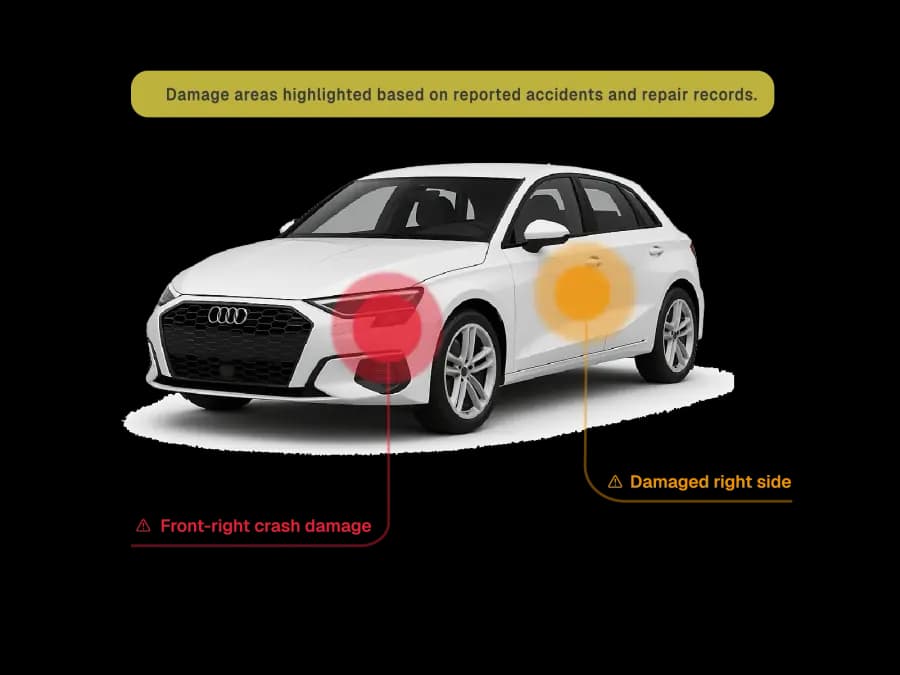
Damage
Accident and damage records where available for the VIN, such as salvage and write-off titles and auction damage classifications recorded abroad. A car written off in the UK or Japan and rebuilt can arrive looking clean. No record found is not proof the car was never damaged; in South Africa, also check its Code on the NaTIS papers.
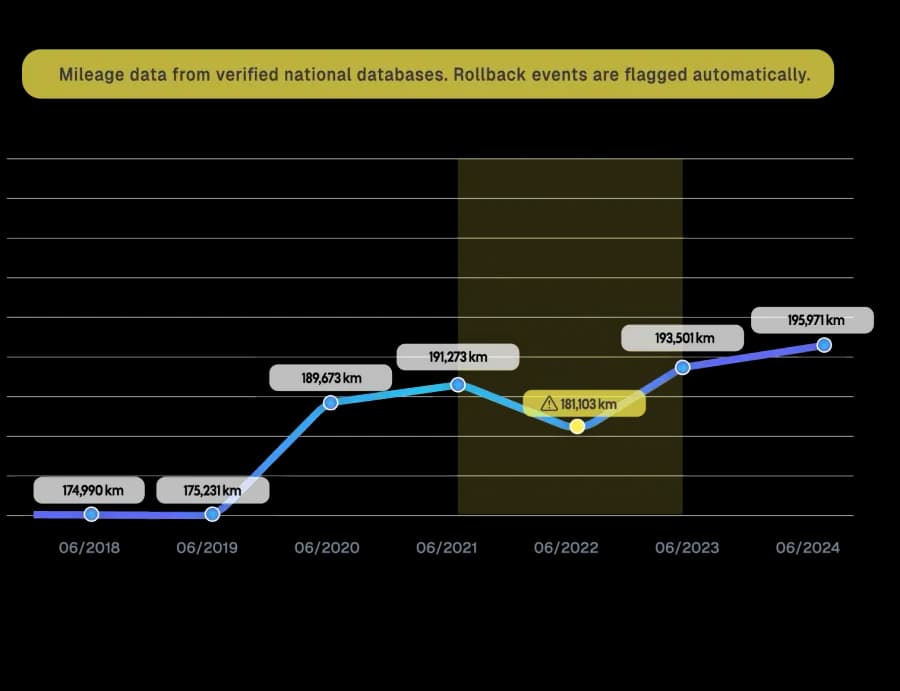
Mileage rollbacks
Dated odometer readings where available, in date order, so a reading that goes backwards stands out. Compare the last one with the dashboard and the service book. A clocked car usually shows a gap where it changed hands or crossed a border.
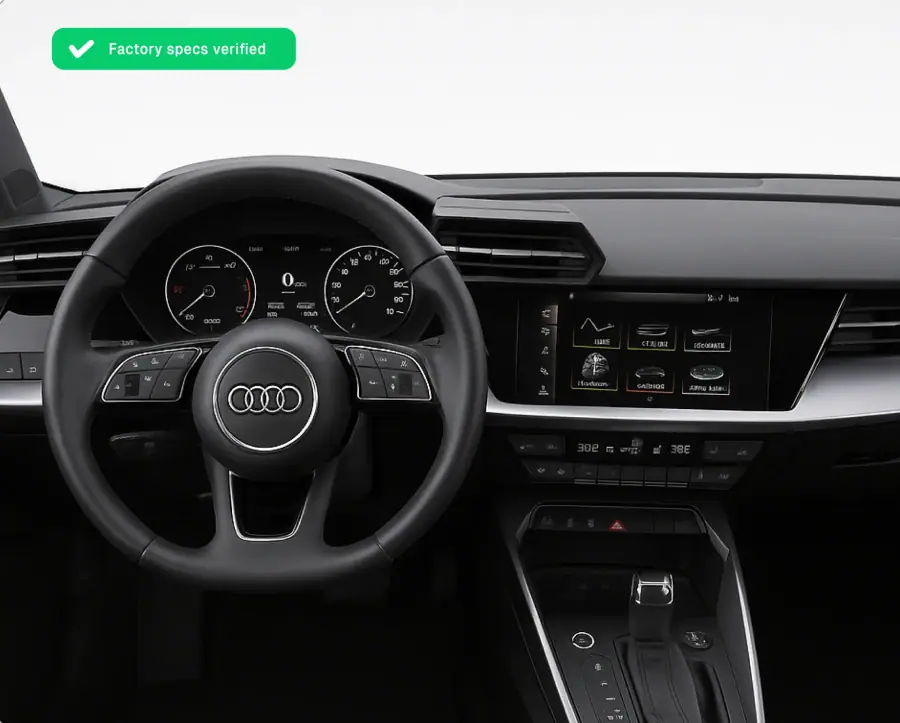
Specs & equipment
The factory specification decoded from the VIN: model, engine, fuel, gearbox, body and plant. Check it against the advert on AutoTrader, Cars.co.za or Facebook Marketplace and against the papers before you agree a price.
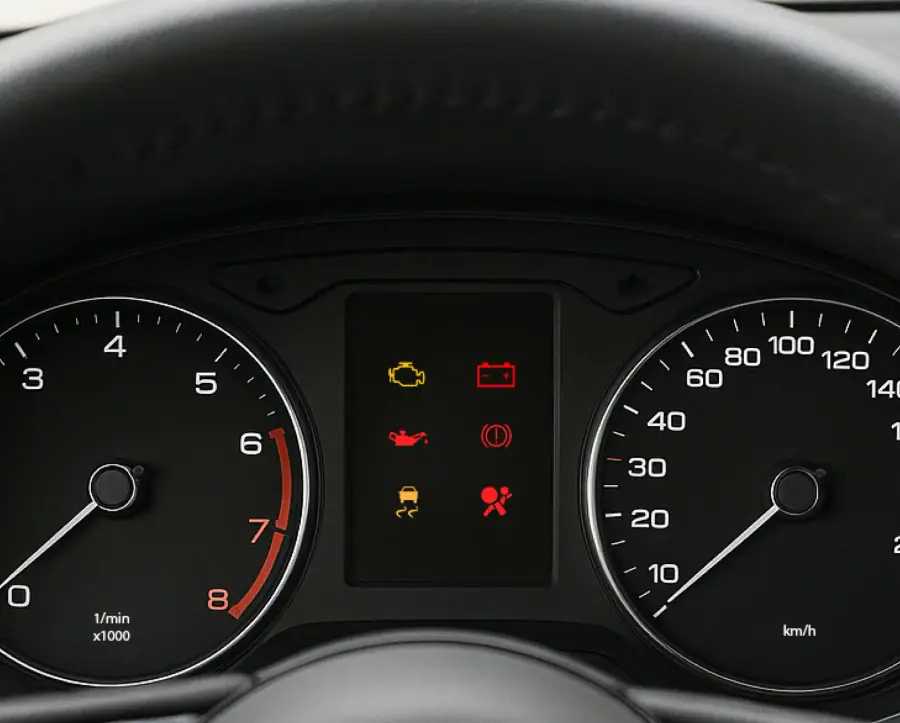
Safety recalls
Safety recall campaigns recorded for the make, model and year. A car that came in privately may never have reached the local dealer's recall list, so ask a franchise dealer of the brand to confirm the work was done.
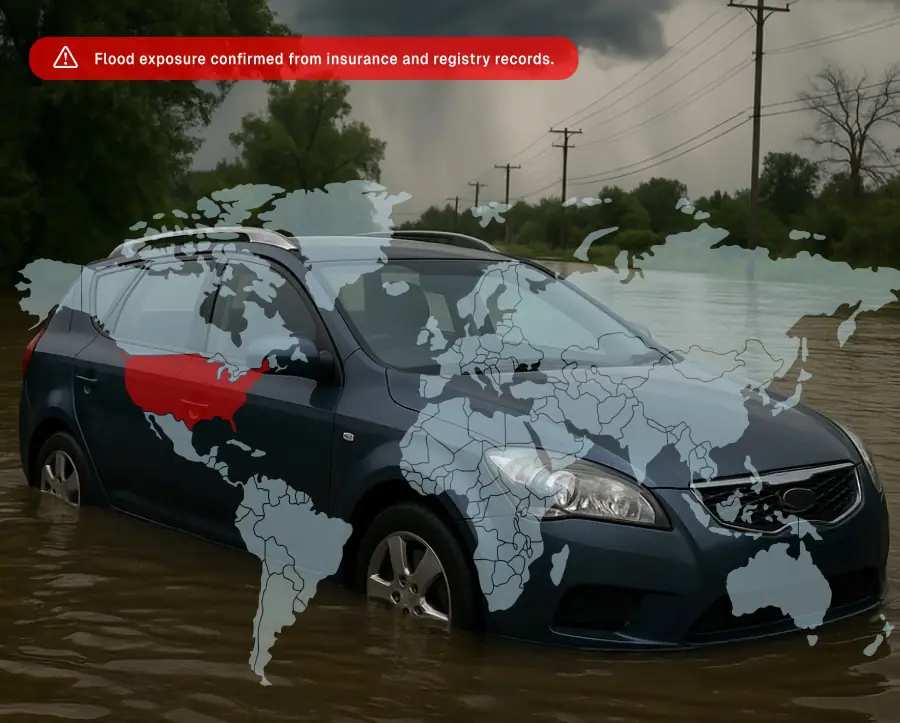
Flood and weather damage
Flood and weather damage records where available for the VIN. Flood cars are written off in one country and sold in another, which is the route a transit or grey import takes.
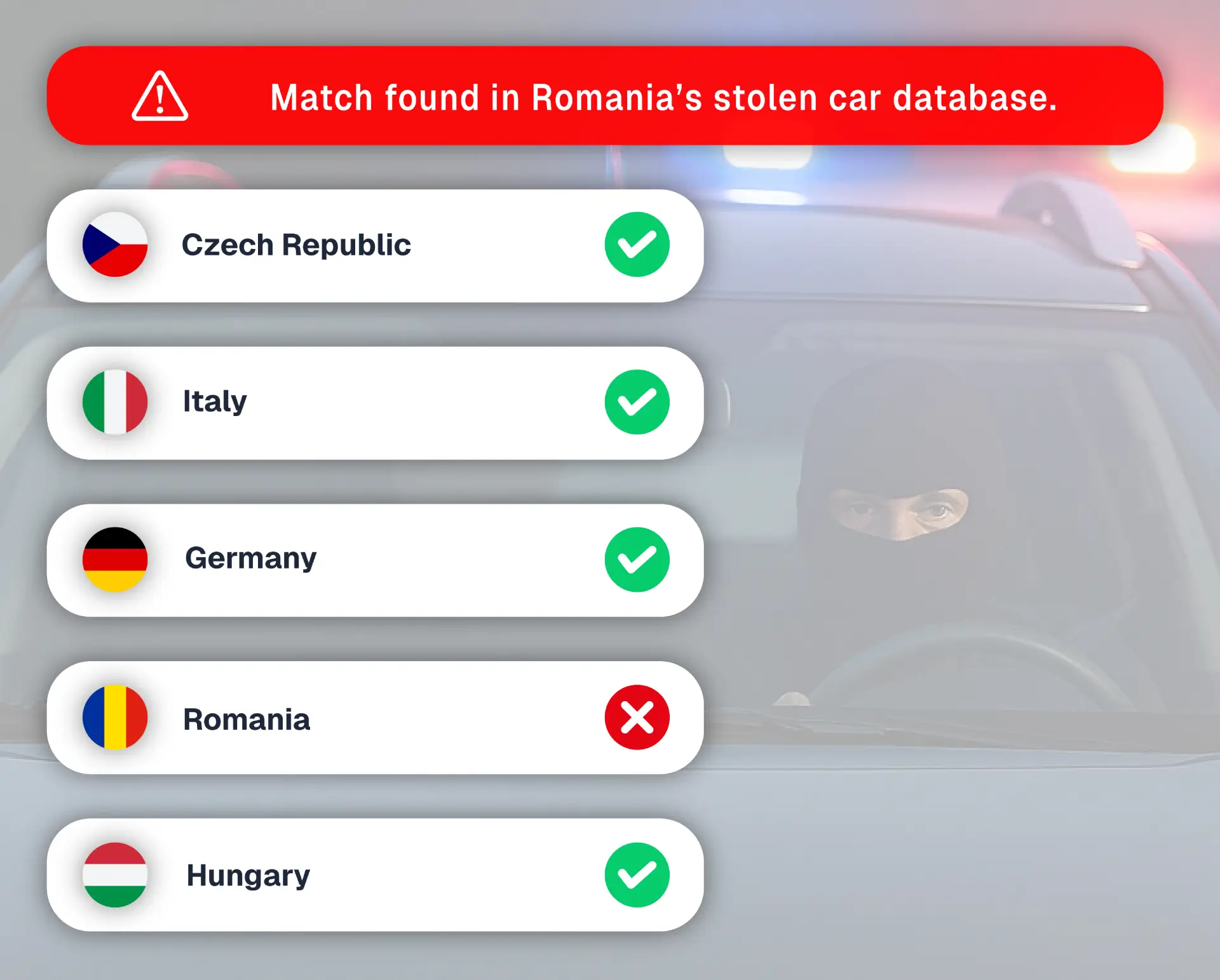
Stolen car check
The VIN is checked against stolen-vehicle databases from the US, the EU and worldwide. For South Africa, a SAPS police clearance is the local answer; the report covers the car's life abroad.
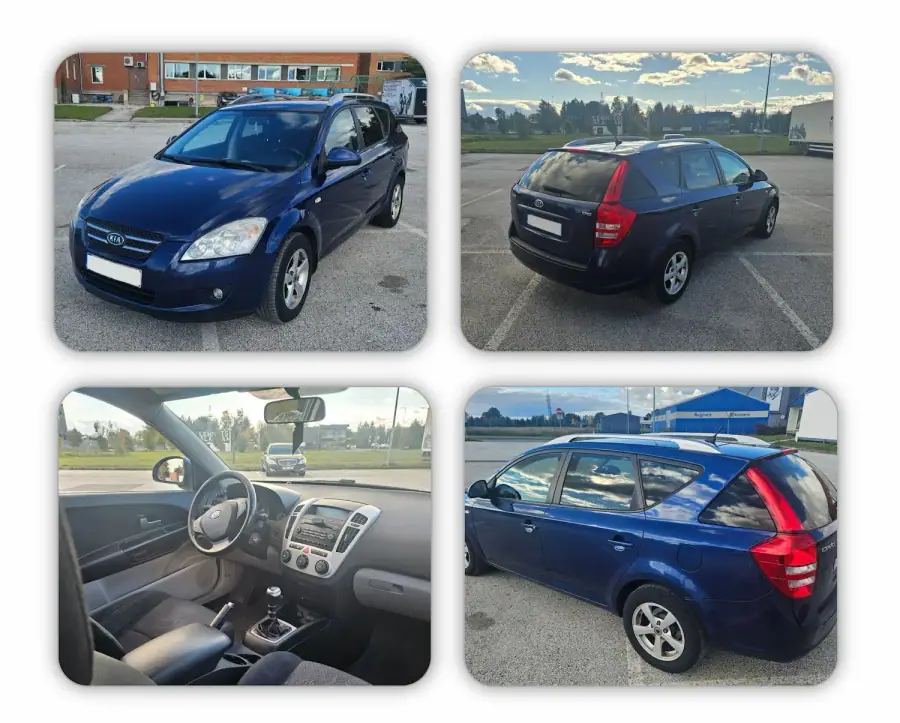
Photos
Earlier photos of the car where available, for example from auctions abroad. They can show damage, repairs or a different colour that the seller did not mention.
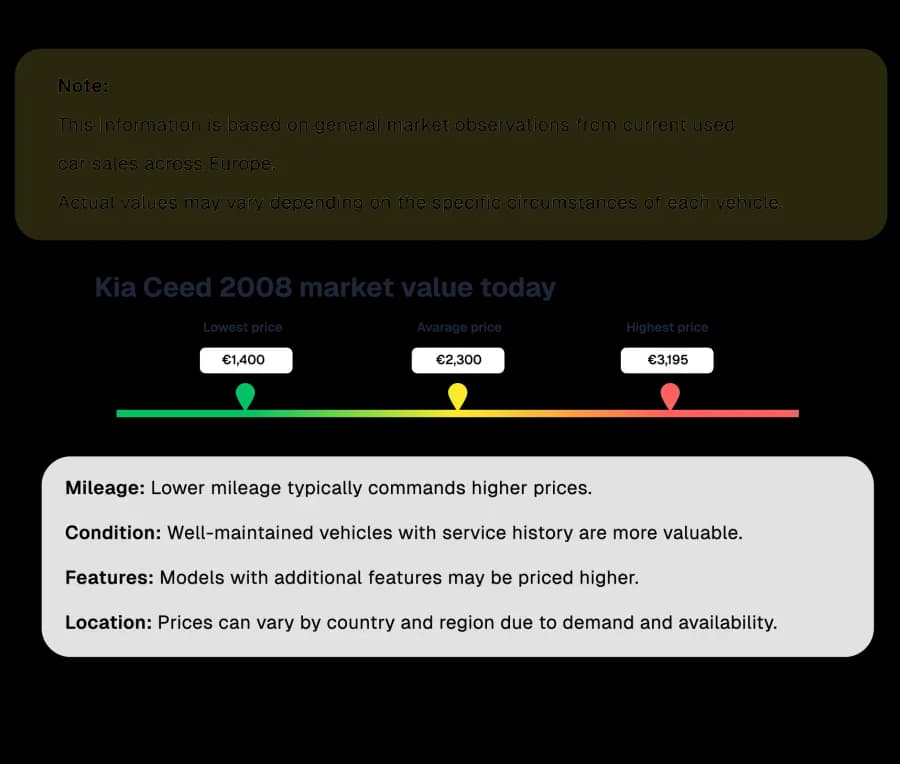
Market value
Where our used-car data has comparable cars, the report shows a value range from the European market, in euros. For a price in rand, compare the asking price with local trade and retail values before you negotiate.
Records from 47+ countries, for the cars that lived there first
Carlytics brings together vehicle records from 47+ countries, with 900M+ vehicles in its database, across Europe, the UK and the US. We do not hold eNaTIS or SAPS data. For a car with a past abroad, that past is what we add.
Access data from national registries,
insurance databases, law enforcement and more.

How it works
Carlytics checks a 17-character VIN in seconds against 900M+ records from 47+ countries. Take the VIN from the licence disc, the NaTIS papers or the windscreen, check the free decode, then unlock the full report for R149.
From VIN to report in a few minutes. Check the free decode before you pay.
Enter the VIN
Type the 17 characters from the licence disc or the registration certificate. A number plate is not enough on its own.
Check the free decode
Make, model, year and engine must match the advert before you pay anything.
Get the full report
History recorded abroad, mileage, accident and damage records where available, theft and recalls, with a PDF.
Do the local checks
Police clearance, finance settlement letter, roadworthy and the NaTIS papers. Then decide.
Why check the VIN before you buy a used car in South Africa?
The VIN is the one number that stays with the car through every owner, plate and border. It is also the number criminals change. Matching it on the car, the licence disc and the papers is where every check starts.
Rebuilt write-offs
A Code 3 car was declared unfit for use after an incident and rebuilt, and it stays Code 3 for life. A car written off abroad can arrive with no local code at all. The report shows damage records recorded abroad, where available.
Cloned cars
A cloned car wears the VIN and plates of a legal one. If it is caught, it is confiscated, and the buyer rarely gets the money back. Match the VIN, engine number and microdots on the car with the papers.
Clocked mileage
Dated readings, where available, show whether the dashboard fits the car's past. The weak point is any long gap with no reading at all.
Grey and transit imports
Used imports need an ITAC permit. A car sold with "Namibian papers" or "customs cleared" but no South African papers cannot be registered here. The decode shows which market the car was built for.
Ready to check your vehicle?
Enter the 17-character VIN from the licence disc or the papers for a free decode.
Sample Vehicle Report
Every Carlytics report covers 24 sections including decoded specs, mileage history, safety recalls, theft status, market value, and cross-border import records. The full report costs R149 and is available instantly as an interactive page and downloadable PDF.
Here's an example of the comprehensive vehicle report you'll receive. Our reports provide detailed information to help you make informed decisions about any vehicle.
Toyota Hilux (2019)
2.8 L • Diesel • Automatic • Double cab
Vehicle Information
Official records
Vehicle Summary
Frequently Asked Questions
Does Carlytics give a South African car valuation?
Where can I get a valuation in rand?
What is the difference between trade and retail value?
How much does a Code 3 status lower the price?
Does mileage affect the value?
Last updated